


Online Gambling and Mental Health: Understanding the Impact
As the digital age progresses, online gambling has become increasingly popular, offering a convenient and enticing form of entertainment. However, the intersection of online gambling and mental health raises significant concerns that cannot be overlooked. The allure of gambling can lead to various psychological implications, and understanding these effects is crucial. To delve deeper into this complex relationship, let’s explore the nuances of online gambling and its implications for mental well-being. Learn more at Online Gambling and Mental Health Awareness https://megaparing.com/.
The Rise of Online Gambling
Online gambling has seen exponential growth over the last two decades, facilitated by advancements in technology and the accessibility of the internet. Players can enjoy a wide array of games—from traditional slots to live dealer experiences—right from the comfort of their homes. This convenience can attract a diverse demographic, including those who may not have engaged in gambling previously.
The Allure and Risks of Online Gambling
Many are drawn to online gambling due to its potential for financial gains and the thrill of uncertainty. However, this excitement can quickly spiral into problematic behavior. The risks associated with online gambling are often heightened because of the ease of access and the anonymity it provides. Many individuals gamble beyond their financial means, leading to a cycle of debt and increased stress.
Impact on Mental Health
The relationship between online gambling and mental health is bidirectional. Many individuals who engage in gambling activities may experience increased anxiety, depression, and stress. These conditions can be exacerbated by the financial strain caused by gambling losses. Conversely, those who may already be struggling with mental health issues might turn to gambling as a form of escapism, further entrenching them in a cycle that can lead to addiction.
Common Mental Health Issues Linked to Online Gambling
1. **Anxiety and Depression**: Frequent gamblers often report feelings of anxiety and depression, primarily driven by financial losses and the pressure to gamble more to recoup those losses.
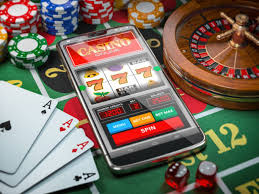
2. **Gambling Addiction**: For some, online gambling can evolve into a compulsive behavior, known as gambling disorder. This condition is characterized by an inability to control gambling, leading to detrimental impacts on personal and professional relationships.
3. **Low Self-Esteem**: Gamblers may develop a distorted self-image, tying their self-worth to gambling success or failure. Such thinking can lead to further mental health challenges, including feelings of worthlessness.
Understanding Gambling Addiction
Gambling addiction is a recognized mental health disorder characterized by an uncontrollable urge to gamble despite negative consequences. Individuals struggling with this issue often experience heightened emotional distress. They may feel a sense of euphoria while gambling, followed by severe regret and depression in its aftermath. Treatment options are available, including therapy and support groups, but acknowledging the problem is the first vital step.
Signs of Gambling Addiction
- Preoccupation with gambling thoughts.
- Need to gamble with increasing amounts of money to achieve excitement.
- Unsuccessful attempts to control or stop gambling.
- Restlessness or irritability when attempting to reduce gambling.
- Using gambling as a way to escape problems or relieve feelings of helplessness.
Strategies for Maintaining Mental Health while Gambling
For those who choose to engage in online gambling, maintaining a healthy relationship with this activity is crucial. Here are some strategies to consider:
1. Set Limits
Establish clear boundaries regarding time and money spent on gambling. Setting limits can help prevent overspending and excessive play.

2. Avoid Gambling as a Coping Mechanism
Recognize when gambling is being used to cope with stress or negative emotions. Find healthier outlets, such as exercise, socializing, or pursuing hobbies.
3. Take Regular Breaks
Frequent breaks can help maintain perspective on gambling activities. It allows individuals to step back and assess their emotional state and financial situation.
4. Seek Support
Engaging in conversations with friends or loved ones about gambling can reduce feelings of isolation. Professional help, such as therapy or support groups like Gamblers Anonymous, is also beneficial.
The Role of Family and Community
Family and friends play a crucial role in identifying gambling issues in loved ones. Open, non-judgmental conversations about gambling behaviors can help individuals feel supported and understood. Community resources are also vital, offering access to counseling and support services tailored to gambling addiction.
Conclusion
Online gambling presents both opportunities and challenges. While it can be an entertaining pastime, it is essential to understand the associated risks, particularly regarding mental health. By fostering awareness and promoting healthy gambling habits, individuals can enjoy the excitement of online gambling while safeguarding their mental well-being. Establishing limits, seeking support, and recognizing signs of problematic behavior are crucial steps in achieving a balanced relationship with gambling.
As we continue to navigate the digital landscape, enhancing our understanding of the impacts of online gambling on mental health will empower us to make informed choices and seek the necessary support when needed.